Flight Price Predictor Explained: How Apps Forecast Airfares Using Live API Data

Flight Price Predictor Explained: How Apps Forecast Airfares Using Live API Data

The travel industry has shifted rapidly. Travellers want clarity. Travel businesses want accuracy. Developers want clean data that doesn’t break. That’s exactly where flight price prediction steps in. When done correctly, it supports better trip planning for travellers and sharper pricing decisions for businesses. Flight price prediction is a structured method powered by historical fares, real-time flight prices and market signals. Many apps and websites now run their own flight price predictor, and the engine behind it is almost always a Flight Price API. If you’re planning to offer fare prediction inside your product, here’s how the entire process works and why it matters. What Is Flight Price Prediction? Flight price prediction forecasts how airfare might move in the coming hours or days. It studies past patterns, demand cycles, seasonality, supply, seat availability and pricing logic used by airlines. The goal is straightforward: to determine whether prices are likely to rise or fall. People search for this because they want to book at the right time. Businesses rely on it because it helps them offer competitive fares and avoid revenue loss. Developers use it because it unlocks features customers actually want. Why Do Flight Prices Fluctuate? Most of the movement comes from demand. Peak season lift fares. Quiet months push them down. Airline competition, seat availability, holidays, weather and route popularity also play a role. Airlines adjust their rates frequently because pricing is at the centre of their strategy. If you’ve read our blog on airline pricing strategies, you already know how dynamic pricing shapes these shifts. When airlines change fares in real time, prediction engines need accurate data to keep up. How Apps and Websites Actually Build a Flight Price Predictor Using an API To access live fare information, developers usually rely on a flight price API. You can use FlightAPI’s Flight Pricing API, which supports one-way, round-trip and multi-city searches. It delivers the core data developers need to build a reliable flight price predictor. However, pricing forecasts also depend on outside factors such as demand levels, seasonal behaviour and route patterns. These inputs aren’t part of any API and must be collected separately. In this section, we’re simply explaining the theory behind how businesses and developers create a flight price predictor, so you can build one for your own product if you’re planning to offer flight price prediction. Step 1: Collect Real-Time Flight Prices via API Every prediction system starts with live fare data. A flight price predictor cannot work with cached or outdated fares. Flight Price API provides real-time pricing for routes, airlines, dates, locations and schedules. Apps and websites call the API and store these fresh fares in their internal database. This gives them a starting point. Developers usually collect: • current fare• route (origin + destination)• airline• fare class• days left until departure• time of day• historical fare for comparison Without this base, forecasting is guesswork. Step 2: Add Historical Fare Data Prediction models learn by comparing “what happened before” to “what’s happening today”. FlightAPI provides historical fares from the last two days, which gives you a starting point for understanding immediate price movements. By itself, this limited window isn’t enough for meaningful short-term or long-term forecasting. That’s why most developers store this data in their own systems over time. As they continuously collect fares, they build a larger historical dataset that becomes far more reliable for trend analysis, pattern detection and improving the accuracy of their flight price predictor. • demand cycles• seasonal patterns• weekday vs weekend pricing• special event pricing• airline-specific behaviour This helps the prediction engine recognise subtle patterns, like “fares on this route usually drop on Wednesdays”. Step 3: Detect Patterns with Simple Algorithms You don’t need a full AI lab. Most flight price predictors use practical approaches such as: • moving averages• fare-change frequency• fare volatility scoring• rules based on airline dynamic behaviour• price-drop probability scoring Apps start small. Developers love predictable logic because it’s stable, fast to deploy and easy to maintain. Over time, businesses expand their logic by combining: • real-time fares• historical prices• public event data• seat availability indicators• demand spikes This creates the “prediction score” people see. Step 4: Compare Fares Across Airlines and OTAs A flight price predictor becomes useful when it answers: “Is this price good compared to other airlines right now?” Travel websites use the API to fetch prices across several carriers to understand competitiveness. If a major airline drops fares suddenly, the predictor reflects it. Step 5: Display Predictions to Users After processing data, apps show simple insights: • “Prices are likely to rise soon”• “Prices may drop in the next 48 hours”• “This is a good time to book” This simplicity keeps users engaged.The heavy work happens behind the scenes with the API. Step 6: Use Predictions to Drive Better Business Decisions Businesses don’t use flight price prediction only for consumer apps. They also use it to: • adjust their own pricing• launch seasonal offers• run email triggers when fares drop• help agents close bookings faster• reduce cancellations• monitor competitor pricing behaviours Prediction builds trust. Customers feel confident booking through a platform that explains price movements clearly. How FlightAPI Helps You Build a Stable Flight Price Predictor Try Flight Price API for Free Factors That Influence Flight Price Prediction Airline pricing changes frequently because airlines target revenue maximisation. Prediction engines, therefore, track: • seasonality• fare class movements• demand cycles• competitor pricing• sales events• holidays and peak periods• time left until departure• aircraft type• seat availability Travellers sometimes use VPNs to check price variation by region. Businesses use APIs to check fluctuations by market. Prediction tools must consider both. Final Thoughts Flight price prediction helps travellers book smarter and gives businesses a clearer sense of how fares move. Any app or website that offers a flight price predictor depends on accurate, real-time data, because forecasting without fresh fares leads to unreliable results. With a Flight Price API powering the system, prediction becomes stable, consistent and useful. Businesses get better control over
The travel industry has shifted rapidly. Travellers want clarity. Travel businesses want accuracy. Developers want clean data that doesn’t break. That’s exactly where flight price prediction steps in. When done correctly, it supports better trip planning for travellers and sharper pricing decisions for businesses.

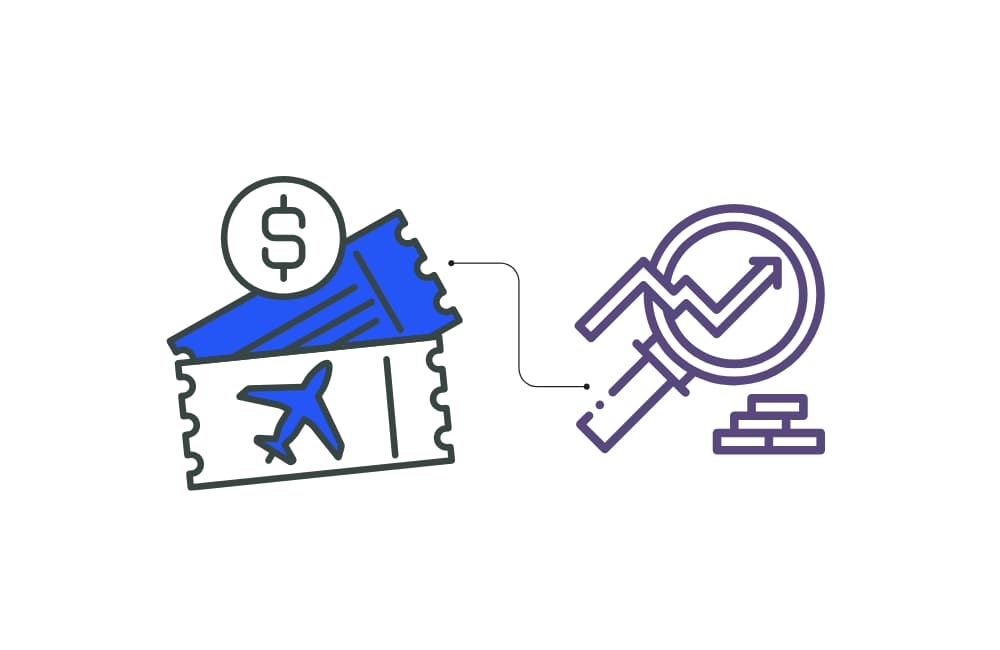
Flight price prediction is a structured method powered by historical fares, real-time flight prices and market signals. Many apps and websites now run their own flight price predictor, and the engine behind it is almost always a Flight Price API. If you’re planning to offer fare prediction inside your product, here’s how the entire process works and why it matters.

What Is Flight Price Prediction?

Flight price prediction forecasts how airfare might move in the coming hours or days. It studies past patterns, demand cycles, seasonality, supply, seat availability and pricing logic used by airlines. The goal is straightforward: to determine whether prices are likely to rise or fall.

People search for this because they want to book at the right time. Businesses rely on it because it helps them offer competitive fares and avoid revenue loss. Developers use it because it unlocks features customers actually want.

Why Do Flight Prices Fluctuate?

Most of the movement comes from demand. Peak season lift fares. Quiet months push them down. Airline competition, seat availability, holidays, weather and route popularity also play a role.

Airlines adjust their rates frequently because pricing is at the centre of their strategy. If you’ve read our blog on airline pricing strategies, you already know how dynamic pricing shapes these shifts. When airlines change fares in real time, prediction engines need accurate data to keep up.

How Apps and Websites Actually Build a Flight Price Predictor Using an API

To access live fare information, developers usually rely on a flight price API. You can use FlightAPI’s Flight Pricing API, which supports one-way, round-trip and multi-city searches. It delivers the core data developers need to build a reliable flight price predictor.

flight price api

However, pricing forecasts also depend on outside factors such as demand levels, seasonal behaviour and route patterns. These inputs aren’t part of any API and must be collected separately.

In this section, we’re simply explaining the theory behind how businesses and developers create a flight price predictor, so you can build one for your own product if you’re planning to offer flight price prediction.

Step 1: Collect Real-Time Flight Prices via API

Every prediction system starts with live fare data. A flight price predictor cannot work with cached or outdated fares.

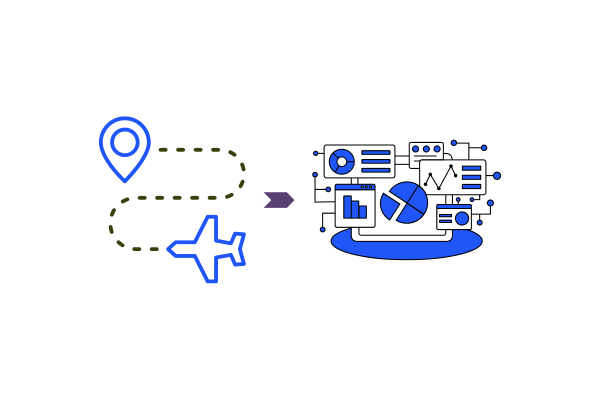
Flight Price API provides real-time pricing for routes, airlines, dates, locations and schedules. Apps and websites call the API and store these fresh fares in their internal database. This gives them a starting point.

Developers usually collect:

• current fare
• route (origin + destination)
• airline
• fare class
• days left until departure
• time of day
• historical fare for comparison

Without this base, forecasting is guesswork.

Step 2: Add Historical Fare Data

Prediction models learn by comparing “what happened before” to “what’s happening today”.

FlightAPI provides historical fares from the last two days, which gives you a starting point for understanding immediate price movements. By itself, this limited window isn’t enough for meaningful short-term or long-term forecasting. That’s why most developers store this data in their own systems over time. As they continuously collect fares, they build a larger historical dataset that becomes far more reliable for trend analysis, pattern detection and improving the accuracy of their flight price predictor.

• demand cycles
• seasonal patterns
• weekday vs weekend pricing
• special event pricing
• airline-specific behaviour

This helps the prediction engine recognise subtle patterns, like “fares on this route usually drop on Wednesdays”.

Step 3: Detect Patterns with Simple Algorithms

You don’t need a full AI lab. Most flight price predictors use practical approaches such as:

• moving averages
• fare-change frequency
• fare volatility scoring
• rules based on airline dynamic behaviour
• price-drop probability scoring

Apps start small. Developers love predictable logic because it’s stable, fast to deploy and easy to maintain.

Over time, businesses expand their logic by combining:

• real-time fares
• historical prices
• public event data
• seat availability indicators
• demand spikes

This creates the “prediction score” people see.

Step 4: Compare Fares Across Airlines and OTAs

A flight price predictor becomes useful when it answers:

“Is this price good compared to other airlines right now?”

Travel websites use the API to fetch prices across several carriers to understand competitiveness. If a major airline drops fares suddenly, the predictor reflects it.

Step 5: Display Predictions to Users

After processing data, apps show simple insights:

• “Prices are likely to rise soon”
• “Prices may drop in the next 48 hours”
• “This is a good time to book”

This simplicity keeps users engaged.
The heavy work happens behind the scenes with the API.

Step 6: Use Predictions to Drive Better Business Decisions

Businesses don’t use flight price prediction only for consumer apps. They also use it to:

• adjust their own pricing
• launch seasonal offers
• run email triggers when fares drop
• help agents close bookings faster
• reduce cancellations
• monitor competitor pricing behaviours

Prediction builds trust. Customers feel confident booking through a platform that explains price movements clearly.

How FlightAPI Helps You Build a Stable Flight Price Predictor

  • Real-time fares keep prediction logic up to date.
  • Clean JSON responses drop straight into backend systems.
  • Short-term historical data lets developers build long-term datasets over time.
  • Reliable airline and airport sources strengthen data accuracy.
  • Scales easily for apps, websites and internal tools.
  • Supports alerts, analytics dashboards and full fare-forecasting engines.

Try Flight Price API for Free

Factors That Influence Flight Price Prediction

Airline pricing changes frequently because airlines target revenue maximisation. Prediction engines, therefore, track:

• seasonality
• fare class movements
• demand cycles
• competitor pricing
• sales events
• holidays and peak periods
• time left until departure
• aircraft type
• seat availability

Travellers sometimes use VPNs to check price variation by region. Businesses use APIs to check fluctuations by market. Prediction tools must consider both.

Final Thoughts

Flight price prediction helps travellers book smarter and gives businesses a clearer sense of how fares move. Any app or website that offers a flight price predictor depends on accurate, real-time data, because forecasting without fresh fares leads to unreliable results.

With a Flight Price API powering the system, prediction becomes stable, consistent and useful. Businesses get better control over pricing, and developers can create features their customers trust. Whether you’re improving a booking platform, building analytics or creating a full prediction engine, accurate live data is at the centre of it.

If you’re planning to build your own flight price predictor or want to add forecasting to your product, start exploring FlightAPI today. Sign up for the free trial and begin shaping your pricing tool with real-time flight data.

Additional Resources:

Related Blogs

Read more articles to stay informed and explore related topics.